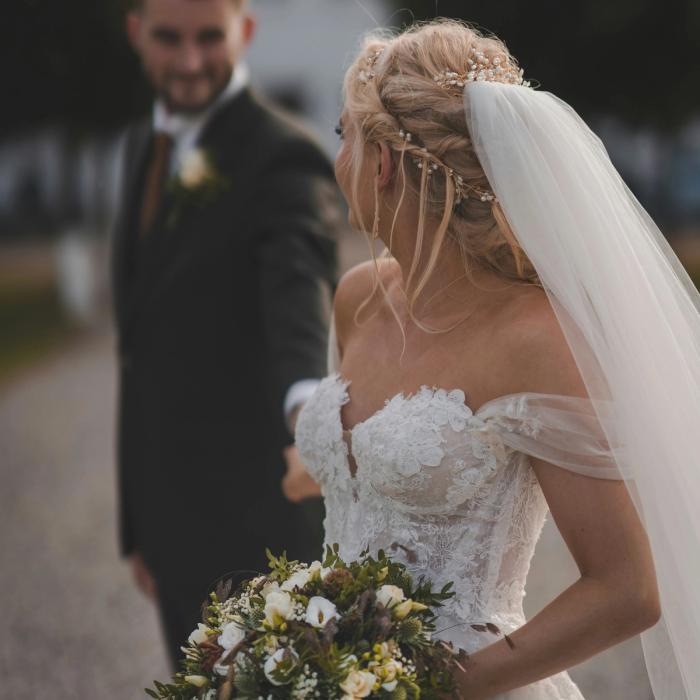
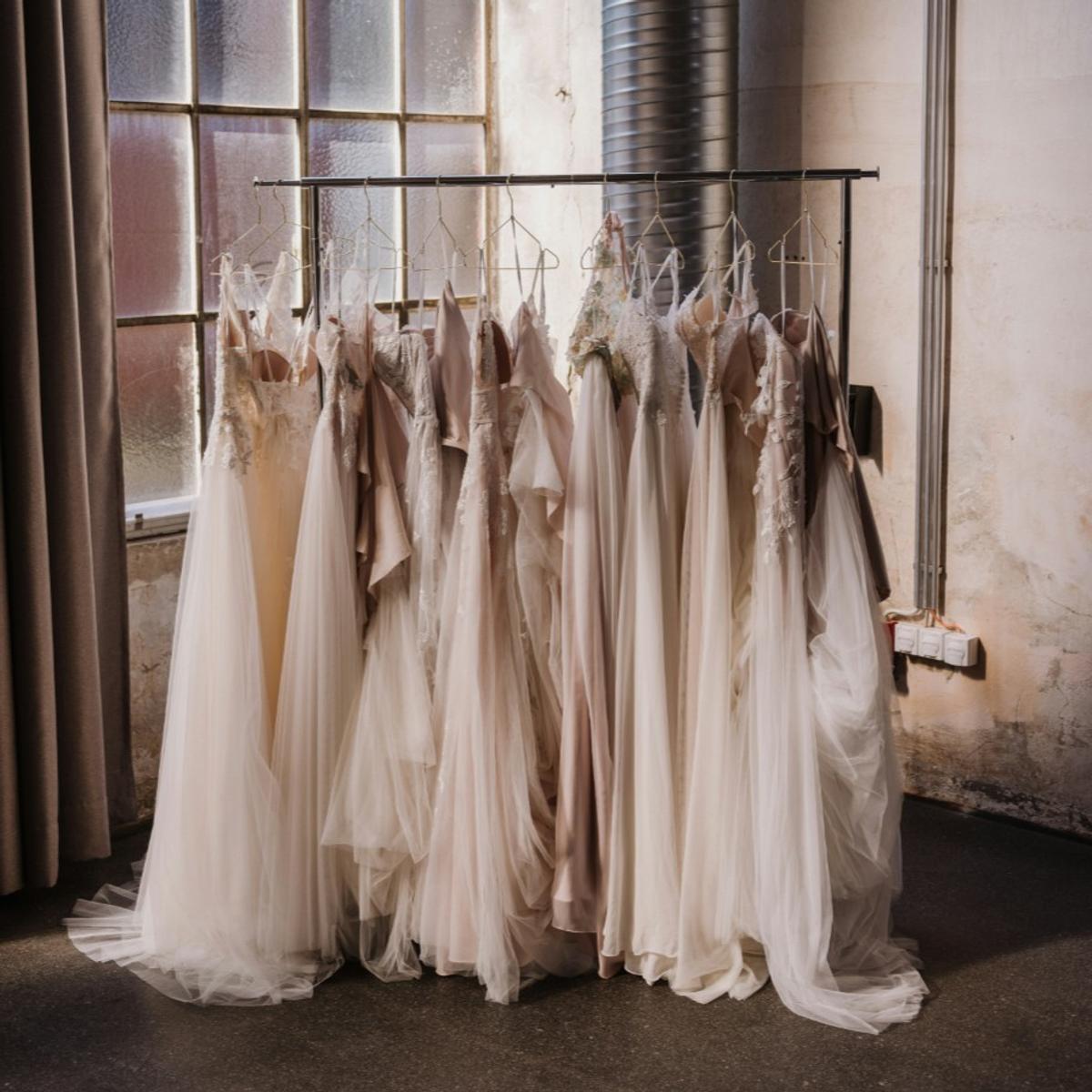
When you commission a bespoke wedding dress, you’ll usually agree a design, look at fabrics and try on the shape before you see the finished gown. That gives you a chance to work out whether the open back will give you the support you want, how much room the skirt needs for dancing and how a neckline that looked right on paper feels when you wear it.
The order of some appointments varies by studio. What matters is knowing which decisions you’ll make together, when you’ll see the dress taking shape and which changes are still possible at each stage.
What is a bespoke wedding dress?
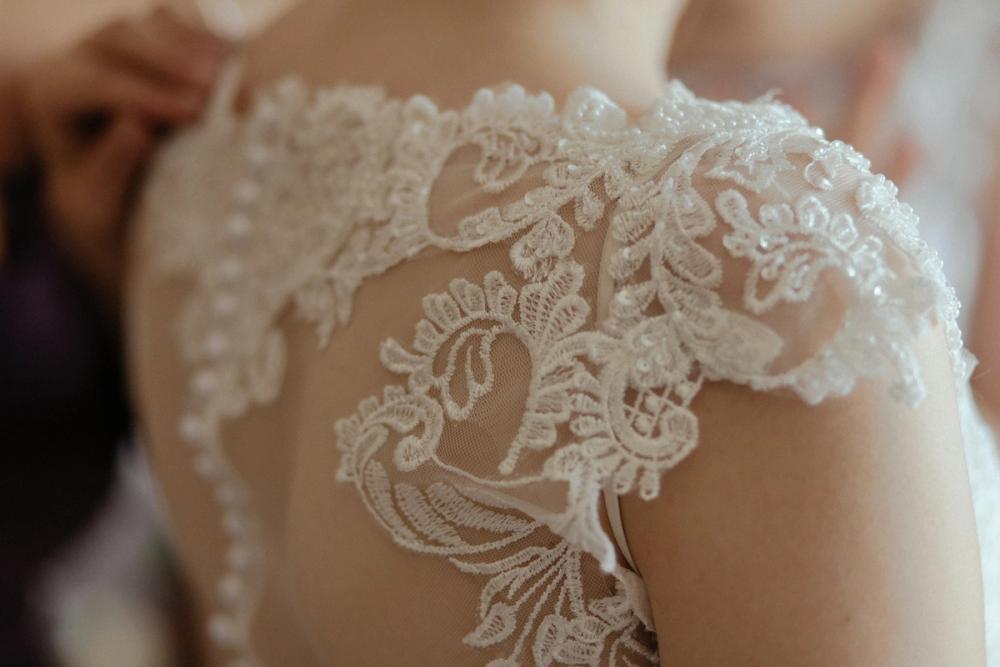
A bespoke wedding dress is designed and made for you. You and the dressmaker develop the design together, and the dressmaker creates or develops a pattern for your proportions and the agreed design. The starting point might be a blank page, a shape you’ve tried on in the studio or a detail you’d like to build the outfit around. Fit is part of the commission, alongside decisions about the cut, fabric, support and finish.
You may also come across made-to-order in UK bridal boutiques. A common arrangement is to try on a shop sample, then have a new dress ordered in a size from the designer’s chart. Your measurements help the boutique select the size, and alterations may be arranged when the dress arrives. Studios use terms such as ‘custom wedding dress’ in different ways. Ask whether they’ll develop a design with you, adapt an existing pattern to your measurements or order a standard size and fit it afterwards.
How the bespoke wedding dress process works
1. Talk through your ideas at the first consultation
Bring a few references and be specific about what you like. You might like the square neckline in one photo and the way a skirt falls in another. Say which elements you feel sure about and where you’d welcome suggestions. If you’re unsure about the silhouette, ask whether the studio has samples you can try to get a feel for the difference between a close-fitting skirt and one with more volume.
Tell the dressmaker your wedding date, venue, budget and anything that will affect how you wear the dress. A long train may work for the ceremony, but you might want a way to lift it for dancing. If you plan to change shoes, tell the maker which pair you’ll wear for most of the day. Mention any support preferences, sensitivity to fabrics or movements you want to make comfortably. These details help the maker work out what the design needs to do as well as how it will look.
2. Agree the design, fabrics and quote
A sketch can help you settle the outline, such as where the waist sits, how open the back is and how full the skirt will be. Ask to see the front and back of the design and talk through anything the drawing can’t show, such as where the zip will sit or how a removable overskirt will fasten. The studio may show you sketches at the first appointment or develop them afterwards. Measurements may be taken during the consultation or at a separate appointment.
When looking at fabric swatches, ask the maker to show you how the cloth hangs and, where possible, how it looks over the proposed lining. A softer crêpe can fall close to the body, while a firmer mikado can help a pleat or fuller skirt hold its shape. The particular cloth and the layers underneath both affect the result. If you’re weighing up two shades, look at them in daylight and under indoor lighting. For lace, ask to see a piece large enough to judge the scale of the motif and how it might sit across a neckline or sleeve.
Before committing, get the design and quote in writing. Check whether fabric, lining, trims, fittings and finishing adjustments are included. Ask whether there’s a separate consultation or design fee, what the deposit covers and how the studio handles design changes that add work or materials.
3. Try the toile and refine the pattern
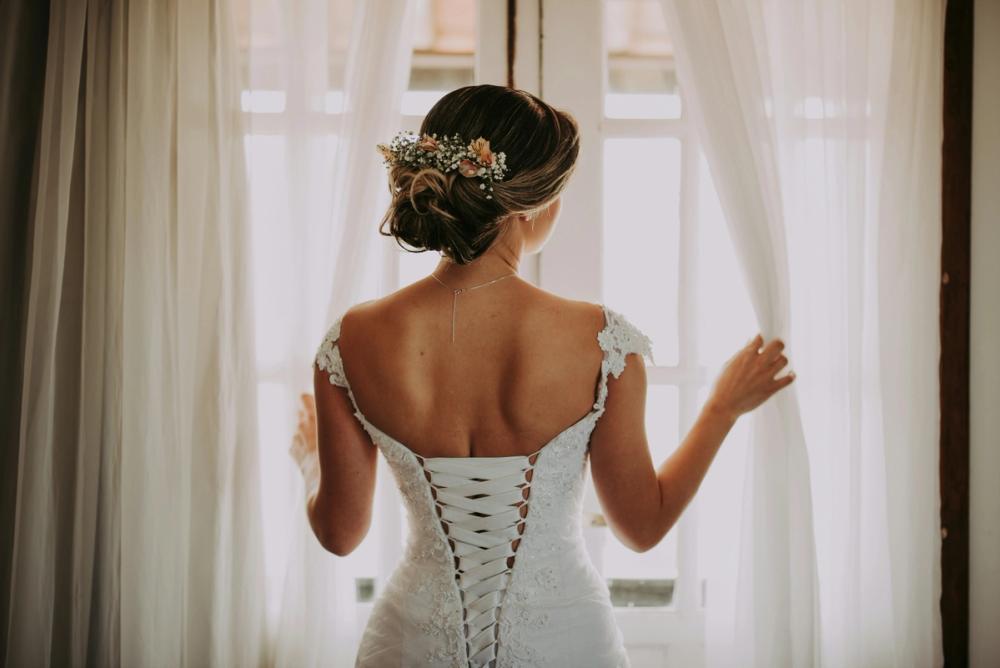
Many bespoke bridalwear studios make a toile, a test version of all or part of the dress in a simpler fabric. At the fitting, the maker can pin, mark or adjust the toile to work out where the waist seam should sit, whether the neckline feels right or whether a fitted sleeve gives you enough reach. Those changes inform the pattern before the final cloth is cut.
Use the fitting to test the things you’ll actually do on the day. Sit down in the bodice, take a few full steps and lift your arms as if you’re hugging someone. Say if a seam presses when you sit or if you find yourself holding a sleeve in place. Your dressmaker can see how the dress hangs, but you’re the one who can tell them how it feels. A toile helps you judge fit and proportion. The finished fabric may move and drape differently.
This is a good point to raise anything that would change the cut, such as opening up the back or adding more room through the skirt. Ask what will be agreed before cutting and what can still be refined later.
4. Fit the dress in its final fabric
Once the pattern is ready, the maker cuts the chosen fabric and starts assembling the gown. At an intermediate fitting, you might see pins or temporary stitches and some unfinished edges. The dressmaker may use this appointment to check how the weight of the skirt feels, how the bodice sits over its lining or support, and whether the straps and fastenings are in the right place.
Bring the shoes and underwear you’ll wear on the day once your dressmaker asks for them. A different heel height can change where the hem falls, and a different bra or body can change how the bodice sits. If the design has built-in support, check what the maker wants you to wear at fittings. Test any removable pieces with the whole outfit on and check whether you can take them off by yourself or will need help.
Some alterations are part of making the dress. A dressmaker might adjust a strap, take in a seam or pin the hem once you’re standing in the finished layers. Larger changes, such as replacing a sleeve or recutting a neckline, depend on how much cloth is available and what’s already been assembled. Discuss the effect on the quote and schedule before agreeing a redesign.
5. Check the finished dress and plan collection
At the final fitting, try the dress with your wedding shoes and the underwear or support you’ve agreed. Do up all the fastenings and check that you can sit, walk and move as you’d expect. If the train has a bustle or wrist loop to lift it for the reception, practise using it. If someone will help you dress, ask whether they can come to the fitting or record a short demonstration with the maker’s permission.
The dress may need finishing work after this appointment, so confirm the collection date and how it will be packed. Ask how to store and transport it, and what the maker advises if it creases. If you’re travelling to the wedding, give the studio your departure date so it can plan around when the dress actually needs to leave with you.
How to plan your commission around the wedding
Contact studios early enough to compare how they work. The time they’ll need depends on their availability, the design, fabric sourcing and how many fittings the dress needs. Give them the wedding date and any earlier collection deadline, then ask for an outline that accounts for your travel and ability to attend appointments.
Before booking, make sure you know:
- Where you’ll need to be. Ask which appointments are in person and who will carry out the fittings, especially if you’ll be travelling to the studio.
- What you’ll approve and when. Find out when the design and fabric are confirmed, when the final cloth will be cut and which decisions can wait until you’ve tried the dress on.
- What’s included in the quote. Check the payment dates and how extra fittings, specialist materials or changes to an agreed design are priced.
- When you’ll collect the dress. Work back from your departure date if you’re marrying away from home. If you expect your measurements to change during the process, give the maker time to adjust the fitting plan.
If you’ve tried on a collection dress you love and only want to refine the fit, ask about made-to-measure or alterations first. If the neckline, support, skirt shape and fabric all need to work together in a way you haven’t found, a bespoke consultation is a chance to see how those decisions can be made as part of one design.
FAQ
Do I need to know exactly what dress I want before contacting a dressmaker?
No. A few references and a sense of what you want the dress to feel like are enough to start. If you’re drawn to very different shapes, say what you like about each. The dressmaker can talk you through which elements work together and what you could try on or test in a toile.
Can a dressmaker use lace or fabric from a family wedding dress?
Possibly. Bring the garment or clear photos to the consultation and let the dressmaker check the condition, usable area and colour. A small section might work for an appliqué or an inset even if there’s too little for a whole bodice. Agree where it will go and what may need to be cut before the maker starts.
What if I’m getting married soon?
Give the studio the actual collection deadline when you enquire. Ask whether a simpler design, a fabric they already have or an adapted collection piece is feasible within that time. An off-the-peg dress you can try on and take away is another option if you can also arrange any alterations you need.